Modern research now places the gut microbiome at the centre of metabolic, inflammatory, and immune-driven conditions, both in humans and animals.
In horses, the interaction between diet, forage quality, soil microbiology, gut integrity, and microbial diversity is increasingly recognised as a foundational determinant of long-term soundness and metabolic resilience in horses.
Introduction
The equine gastrointestinal tract hosts a vast and complex community of microorganisms, collectively known as the gut microbiota. It plays a critical role in digestion, metabolism, immune regulation, and systemic health. Over the past decade, advances in genomic sequencing have revealed that alterations in the equine microbiome are associated with several chronic disease states, including laminitis and Equine Metabolic Syndrome (EMS).
The Equine Microbiome and systemic health
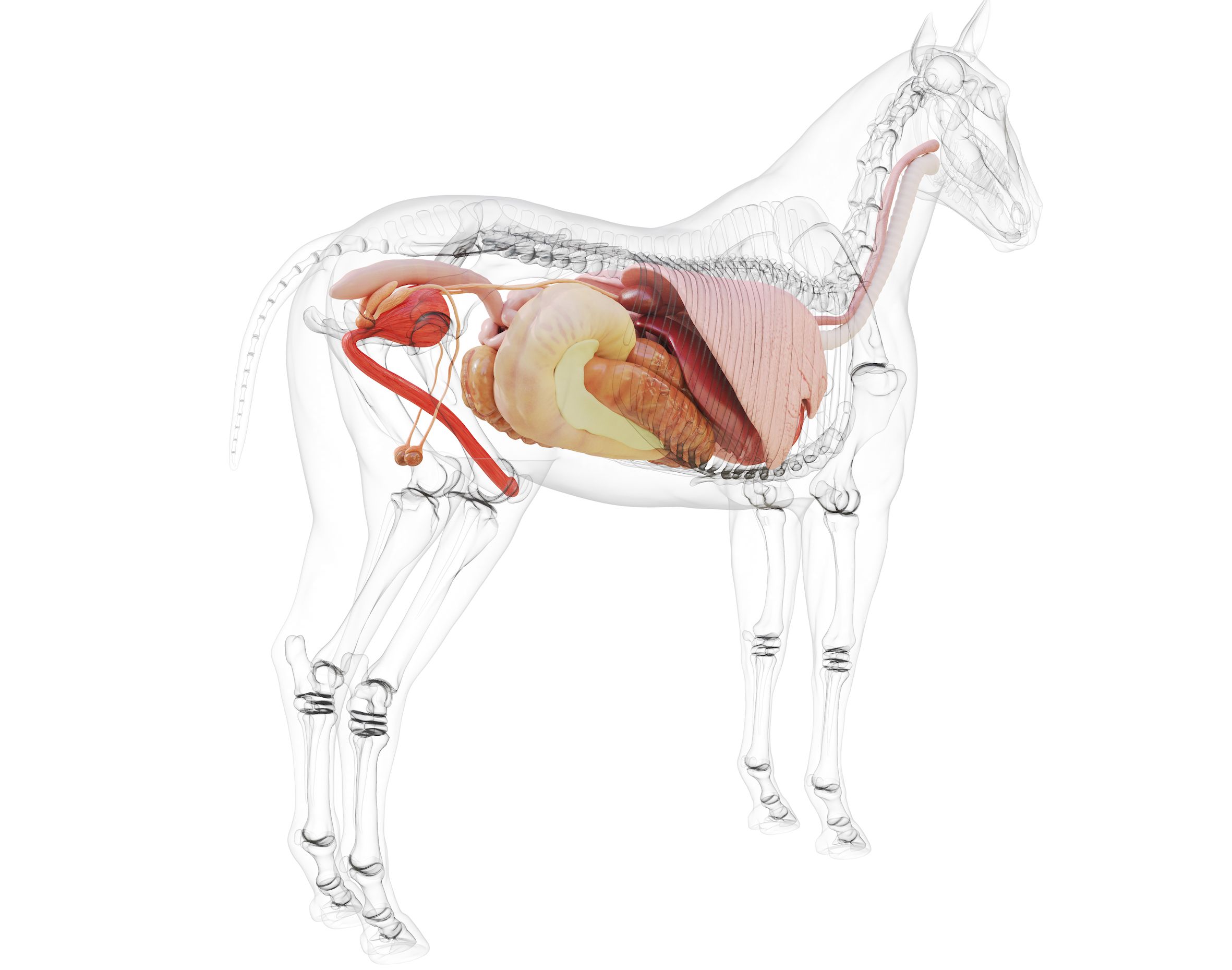
Horses are hind-gut fermenters, relying on microbial fermentation of structural carbohydrates in the caecum and colon to generate volatile fatty acids (VFAs), which provide a major proportion of their daily energy requirements. In addition, microbial turnover contributes to the synthesis of B vitamins and bioactive compounds that influence immune and metabolic pathways.
Some studies confirm that:
Rapid dietary changes, high non-structural carbohydrate (NSC) intake, and antibiotic exposure significantly disrupt microbial balance.
Dysbiosis contributes to increased intestinal permeability (“leaky gut”), allowing endotoxins and inflammatory mediators to enter systemic circulation.
Australian research and international studies increasingly link gut barrier dysfunction to chronic low-grade inflammation, a key driver in both EMS and laminitis.
Reduced microbial diversity is associated with laminitis, insulin dysregulation, colic, and inflammatory conditions.
Research by Costa et al. highlights the significance of this microbial ecosystem and its profound shifts in disease states, suggesting that targeted microbiome modulation may offer new preventive and therapeutic opportunities (DOI: 10.1017/S1466252312000035).Intestinal permeability and inflammation
Increased intestinal permeability occurs when tight junction integrity in the gut lining is compromised, allowing bacterial endotoxins (lipopolysaccharides) and incompletely digested particles to enter the bloodstream. This can activate inflammatory cascades, alter insulin sensitivity, and impair vascular function.
Factors known to increase permeability in horses include:
- High-starch or high-sugar diets
- Poor-quality or mould-contaminated forage
- Antibiotics and chemical wormers
- Chronic stress and transport
- Systemic illness
Nutritional imbalances (notably trace minerals and antioxidants)
This mechanism aligns closely with emerging models of laminitis pathophysiology, which increasingly focus on inflammatory, endocrine, and vascular dysregulation rather than purely mechanical or vascular shunting theories.
Herbs and the Gut Microbiome: How Plant Compounds Shape Gut Bacteria
Many medicinal herbs and plant phytochemicals reach the colon largely unabsorbed, where they directly interact with gut microbes. Research shows a two‑way relationship: herbs are transformed by microbes, and in turn can reshape the microbiota, influencing immunity, metabolism, gut barrier function, and even brain health.
Major Ways Herbs Interact with the Microbiome
Gut microbes “digest” herbal compounds into smaller, often more active or better‑absorbed metabolites, sometimes reducing toxicity.
Overall, herbs and plant phytochemicals can meaningfully reshape the gut microbiome and be reshaped by it, generating metabolites and microbial profiles associated with better gut, metabolic, and possibly brain health.
Supplements and gut ecology
While targeted supplementation can be clinically valuable, excessive or poorly balanced supplementation may disrupt gastrointestinal homeostasis.
Potential risks include:
- Altered gut pH
- Mineral antagonism and imbalance
- Renal and hepatic overload
- Crystallisation and urinary tract stress
- Microbial suppression
Wholefood based nutrition and plant-derived mineral complexes are generally better tolerated and biologically compatible than synthetic isolates.
This reinforces the principle that food quality, forage diversity, and digestive integrity must remain the primary foundations of equine nutrition.
Mcdowells support
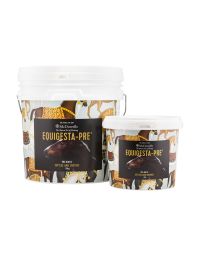
McDowells Equigesta‑Pre is a purpose-formulated prebiotic blend that combines traditional plant powders with brewer’s yeast and bentonite clay to create a substrate that supports microbial growth and microbial metabolism. The rationale for this type of formulation draws on several principles:
Prebiotic Support: Ingredients such as herbal fibres and brewer’s yeast provide fermentable substrates that beneficial gut bacteria can utilise, which may help sustain microbial diversity and metabolite production. Prebiotics are recognised in human and animal nutrition for promoting the growth of health-associated bacteria such as Bifidobacterium and Lactobacillus species.
Mucosal Soothing Components: Herbal constituents like Slippery Elm and Aloe Vera are traditionally included for their high mucilage content, which can support mucosal hydration and comfort in the digestive tract. While direct clinical evidence in horses remains limited, mucilaginous botanicals are used in veterinary practice to help maintain gut barrier integrity.
Digestive Environment: Bentonite clay and certain herbal powders may help support gastrointestinal function through mild binding actions and by creating a favorable environment for microbial fermentation. This can assist in maintaining consistent manure quality and digestive regularity in horses prone to sensitive guts.
Medicinal Qualities: The herbs selected in the Equigesta-pre do have traditional qualities that also act systemically with their anti-inflammatory properties, nutritional properties and traditional herbal actions all aimed at supporting gut function and restoration of the animals metabolism.
Equigesta-Pre is an ideal supportive supplement intended to complement a balanced diet and sound pasture management. It forms part of good management practices where conditions such as laminitis, insulin dysregulation, or gastrointestinal disease are present.
Conclusion
Emerging research confirms what traditional medicine has long observed:
gut health, microbial diversity, soil ecology, and systemic inflammation are inseparably linked in the development of chronic equine disease.
Laminitis and EMS are not isolated hoof or endocrine disorders—they are expressions of whole-system dysregulation, rooted in microbial imbalance, dietary stress, metabolic overload, and inflammatory signalling.
By integrating modern research with herbal medicine, regenerative nutrition, and ecological pasture management, it is possible to support deeper, more sustainable healing outcomes for horses affected by metabolic and inflammatory conditions.
If your horse is struggling with laminitis, insulin dysregulation, or chronic metabolic imbalance, a personalised herbal and nutritional program can help restore systemic balance at its foundations.
McDowells Herbal offers professional consultations designed to address gut health, inflammation, lymphatic function, and metabolic resilience using evidence-informed herbal medicine and holistic nutritional support.
You are invited to book a free consultation to explore a tailored approach for your horse’s long-term wellbeing.