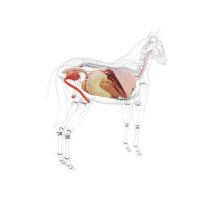
The equine gut microbiome, herbs, soil health and chronic disease in horses
Modern research now places the gut microbiome at the centre of metabolic, inflammatory, and immune-driven conditions, both in humans and animals.
In horses, the interaction between diet, forage quality, soil microbiology, gut integrity, and microbial diversity is increasingly recognised as a foundational determinant of long-term soundness and metabolic resilience in horses.
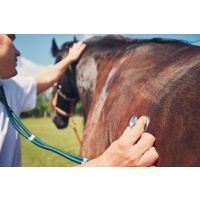
Stomach, or gastric, ulcers in horses
Equine ulcers are much more common nowadays than ever before. Also that maybe they were extremely rare or even completely unknown before we started to interfere with so much of the horses natural environment and natural needs and feeding.
Degenerative Suspensory Ligament Desmitis in horses
Though once considered a rare issue seen primarily in older performance horses, increasing research and awareness have revealed that DSLD is more widespread and complex than originally thought, with systemic implications affecting multiple soft tissues throughout the body - not just the limbs.
Are Mycotoxins a real threat for horses?
Mycotoxins are toxic compounds produced by certain moulds (fungi) that grow on crops, grasses, grains, and stored feeds - especially under moist, warm, or humid conditions.
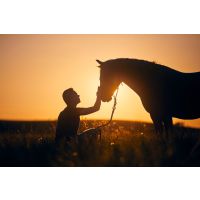
Why is my horse eating dirt or manure? A look at unusual eating habits in horses
Horses can sometimes display behaviours that puzzle their owners - like eating dirt, mud, or even manure. While alarming at first, these actions often signal underlying needs, either physical or emotional.
Why over-worming horses does more harm than good
Worms, like all living organisms, adapt to their environment - and decades of routine chemical worming have accelerated their ability to withstand even the most widely used drugs.
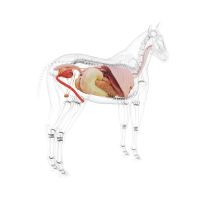
How should I manage my horse’s diet to promote a healthy gut microbiome?
What is the equine microbiome? The microbiome refers to the collection of microorganisms (such as bacteria, fungi, viruses, and archaea) that live in and on your horse’s body.
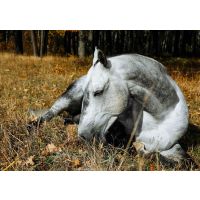
Signs and symptoms of colic in horses
Whilst we can’t protect our horses from unforeseen reasons for colic, or eliminate the need for a vet, we can do our best to keep our horse’s digestive systems and nervous systems healthy with a whole food, natural diet, and good management practices, to aid in minimising the risk of possible colic.
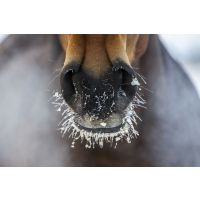
Winter Horse Care: Keeping your horse healthy, happy, and fit in cold weather
As the chill of winter sets in, ensuring your horse remains in peak health requires some preparation. While horses are naturally equipped to handle colder temperatures, they still need a helping hand to stay comfortable and thriving throughout the season.
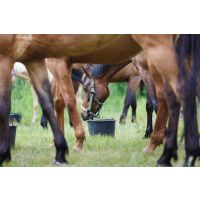
Good Guts - common questions and answers about the equine microbiome
The microbiome refers to the collection of microorganisms (such as bacteria, fungi, viruses, and archaea) that live in and on your horse’s body.
Hemp - planting the seed for good health
Hemp has been grown for centuries and has a range of uses, including as clothes, paper, rope, food, and even as an industrial building block. But it is also an amazing support to Equine health (and humans too!).
Feeding your horse simply!
Diet and understanding what is required nutritionally is our main focus. Herbs are about peak nutrition. What concerns me is the misunderstanding now that diet is a "science" (as all feed companies will tell us!) and that common sense no longer applies...