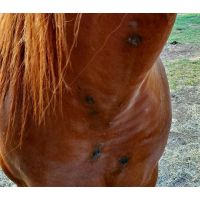
What are these growths on my horse's body?!
The three most common type of skin tumours in horses are sarcoids, squamous-cell carcinoma and melanomas. Robust immune systems routinely eliminate infective and metabolic waste as part of a healthy system. A system that is overloaded with inflammation, infection or metabolic waste has a much harder time recovering.

Degenerative Suspensory Ligament Desmitis in horses
Though once considered a rare issue seen primarily in older performance horses, increasing research and awareness have revealed that DSLD is more widespread and complex than originally thought, with systemic implications affecting multiple soft tissues throughout the body - not just the limbs.
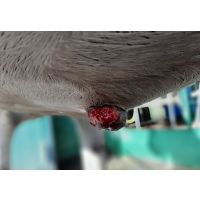
Natural herbal support for sarcoids in horses
Sarcoids are one of the most common skin conditions affecting horses, and while they can appear externally as growths, they often reflect a deeper imbalance in the body, particularly within the immune and lymphatic systems
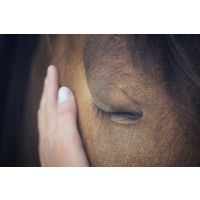
Are Mycotoxins a real threat for horses?
Mycotoxins are toxic compounds produced by certain moulds (fungi) that grow on crops, grasses, grains, and stored feeds - especially under moist, warm, or humid conditions.

Why is my horse eating dirt or manure? A look at unusual eating habits in horses
Horses can sometimes display behaviours that puzzle their owners - like eating dirt, mud, or even manure. While alarming at first, these actions often signal underlying needs, either physical or emotional.

Understanding equine oedema and inflammation
Whether your horse is experiencing swollen legs, puffy joints, or recurring skin issues, it's essential to look beyond symptom management. With the right guidance, the natural healing process can be supported gently and effectively.
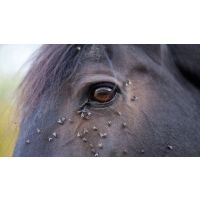
Flies, mosquitos, bugs, insects and horses!
Flies can be irritating and annoying for both horses and horse owners! There's many species in Australia but we only really come into contact with four groups: the bush fly, house fly, blowfly, and the mosquito.
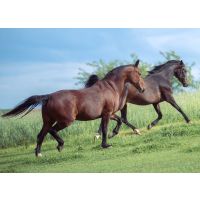
Polysaccharide Storage Myopathy: Learn more about PSSM in horses
There are two types of PSSM. Both types have an abnormal type of glycogen staining in muscle biopsies, and the types can be distinguished by genetic testing. At present there is not a specific genetic test for type 2 PSSM and scientists do not have conclusive evidence of an inherited gene.
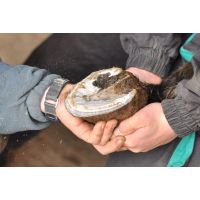
Thrush, White Line Disease, and Seedy Toe: dreaded hoof issues
Thrush, white line disease, and seedy toe, collectively known as hoof capsule infections, often indicate a breakdown in both the hoof’s natural defences and the horse’s internal systems.
Why over-worming horses does more harm than good
Worms, like all living organisms, adapt to their environment - and decades of routine chemical worming have accelerated their ability to withstand even the most widely used drugs.

Natural horse care; stabling versus turnout
The decision of whether to stable or turnout a horse should be based on the horse's individual needs and the conditions of the environment where it is kept. For some horses a combination of both stabling and living out works well.
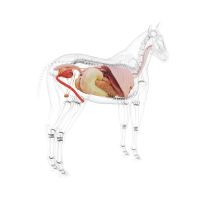
How should I manage my horse’s diet to promote a healthy gut microbiome?
What is the equine microbiome? The microbiome refers to the collection of microorganisms (such as bacteria, fungi, viruses, and archaea) that live in and on your horse’s body.