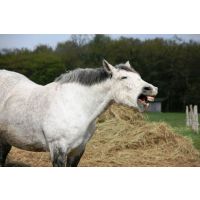
Supporting horses with Seasonal Respiratory Sensitivity
During the warmer months, some horses develop signs of respiratory irritation such as a runny nose, snorting, sneezing, or persistent “snuffling.” When these symptoms occur without infection or fever, they often resemble hay fever in humans rather than illness.
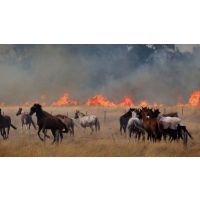
How herbs can help with lung health and smoke inhalation
Australia has experienced some of the worst forest and bush fires on record in the last ten years. As a result the skies can be filled with smoke, ash, dust and debris. Our animals tend to live, or spend more time outdoors, and may not have any respite from the poor quality air.
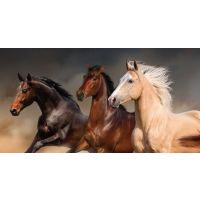
Keeping you and your horse in vibrant good health
How healthy we are in relationship to our world is very much reflected in the attention we give our horses and environment. A lack of “right relationship” results in countless horses (earthly resources) used up from competition or racing and then discarded to the Dark Side of the horse industry- the sale yards and a destination unknown.
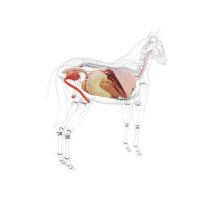
The equine gut microbiome, herbs, soil health and chronic disease in horses
Modern research now places the gut microbiome at the centre of metabolic, inflammatory, and immune-driven conditions, both in humans and animals.
In horses, the interaction between diet, forage quality, soil microbiology, gut integrity, and microbial diversity is increasingly recognised as a foundational determinant of long-term soundness and metabolic resilience in horses.
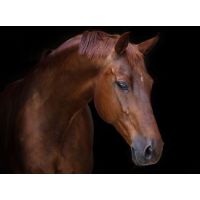
Coat conditioning for horses: Supporting shine from the inside out
Much like human skin and hair, a horse’s coat reveals a great deal about overall health. While grooming products can enhance appearance on the outside, the deepest and most lasting shine always comes from within.

Causes of head shaking in horses and what to do
Some head-shaking behaviour in horses is normal. Trigeminal-mediated head-shaking is a little-understood neuropathic facial condition of the horse.
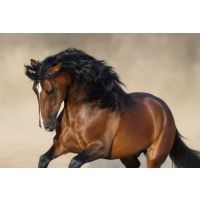
How to create mane to tail shine
The condition of a horse's hair and coat is a telling sign of his general level of health; a dull coat is indicative that a horse is not in it's best physical or mental condition. In itself, the dull coat only says that the vitality is lower than normal due to metabolic imbalance, digestive efficiency or a toxic load.
Oxalate pastures and horse health
Oxalates are compounds that bind to calcium and other essential minerals, locking them up in forms that horses cannot absorb. Because calcium is critical for so many vital body functions—bone strength, muscle contraction, nerve signalling, cardiovascular function - this binding process can quickly lead to deficiency. When dietary calcium is not available, the horse’s body pulls calcium from its own skeleton, leading to weakness, pain, and in severe cases, the bone disease known as Bighead.
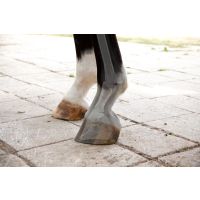
Recognising laminitis in horses
Laminitis is one of the most serious and painful conditions a horse can experience. Early detection and supportive care are essential, as the sooner laminitis is identified, the better the chance of preventing long-term damage.
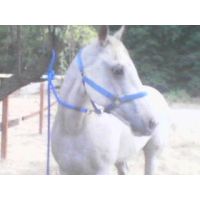
Trigger's miraculous recovery from Squamous Cell Carcinoma
Trigger looked like hell.....skinny, not much mane or tail, chronic diarrhoea and face filthy from where his eye had oozed out for who knows how long. I'll never get another horse as good as him. He was the toughest, most honest, loyal, fastest and safest horse I've ever known.
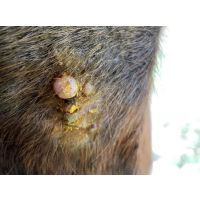
Understanding and treating warts on horses – A holistic guide
Warts - also known as equine papillomas - are usually small, benign skin growths caused by the equine papillomavirus (EPV). While often harmless, they can be persistent and troublesome, especially if they appear in sensitive or tack-bearing areas.
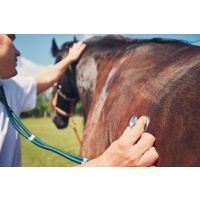
Stomach, or gastric, ulcers in horses
Equine ulcers are much more common nowadays than ever before. Also that maybe they were extremely rare or even completely unknown before we started to interfere with so much of the horses natural environment and natural needs and feeding.